February 27, 2026
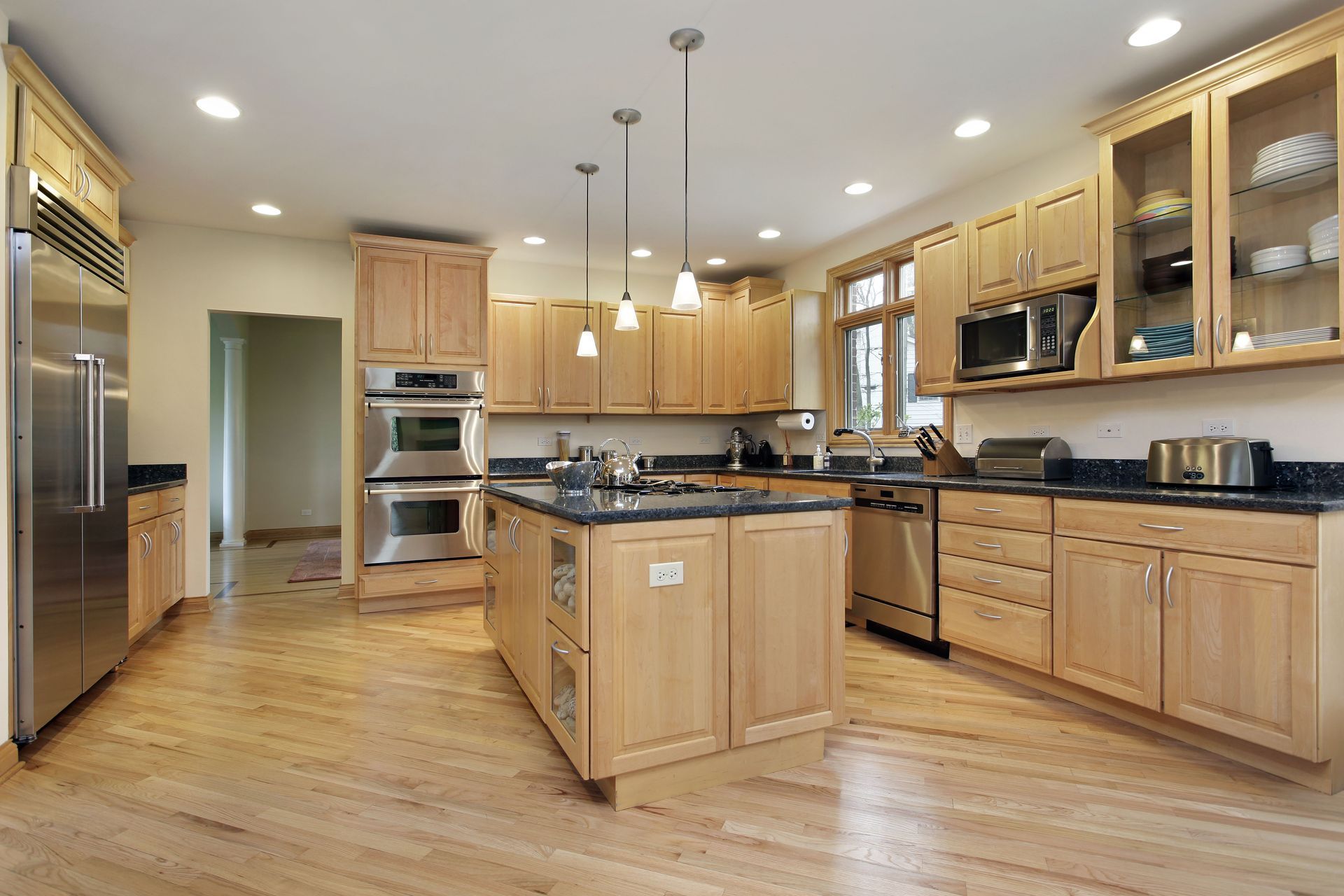
A kitchen renovation is an often underestimated project that can significantly change the look, feel, and value of your home. Knowing when it's time to start a renovation can save time and resources in the long run. This article explores the key signs indicating it may be time for a kitchen renovation. Whether it's dealing with outdated designs or deteriorated materials, a timely kitchen renovation can enhance functionality and aesthetics. By addressing these signs, homeowners can ensure their kitchen meets modern standards and personal needs.
1. Outdated Design and Aesthetic
Lack of Modern Features
Examine whether your kitchen lacks contemporary features such as pull-out drawers or smart appliances. Modern kitchens are designed with efficiency and convenience in mind, incorporating smart technology that simplifies daily tasks. Without these features, a kitchen may feel cumbersome and archaic, complicating cooking and maintenance. Introducing pull-out drawers enhances storage efficiency, making frequently used items easily accessible. Smart appliances can reduce energy consumption and improve safety, addressing both practical and environmental concerns.
Color Scheme Mismatch
Consider if the color scheme is outdated or clashes with the rest of your home's style. The color palette of a kitchen can affect not only its aesthetics but also the ambiance it creates. An outdated color scheme can make a kitchen feel old-fashioned, detracting from its overall appeal. Aligning the kitchen's colors with modern designs or the existing theme of the home can enhance harmony. Updating these elements could involve repainting walls, replacing cabinetry, or introducing new decorative pieces.
Old-Fashioned Fixtures
Evaluate whether outdated lighting, hardware, and finishing need updating. Old-fashioned fixtures can significantly date a kitchen, making it look out of sync with modern homes. Replacing lighting fixtures with energy-efficient options provides better illumination and aesthetics. Additionally, updating cabinet hardware and faucets can transform the overall look, making the kitchen feel newer. These changes often offer a high return on investment, enhancing both value and visual appeal.
Inefficient Use of Space
Identify if the current layout is effective or if it restricts movement and storage. A poorly designed kitchen can hinder everyday activities and limit potential storage solutions. Modern kitchen designs focus on maximizing space, providing ample room for movement and organized storage. According to the National Kitchen & Bath Association, 76% of designers expect the average kitchen footprint to increase over the next three years, underscoring the trend towards spaciousness. If the current layout restricts your workflow, it may be time for a design rethink.
Uninviting Atmosphere
Reflect on whether your kitchen feels more like a utility space than a welcoming environment. Kitchens today often serve as the heart of the home, a place where family and friends gather. If your kitchen lacks a welcoming atmosphere, it might be time to consider a kitchen renovation that focuses on both aesthetics and comfort. Simple changes, like refreshing the decor or improving lighting, can drastically alter the feel. A welcoming kitchen invites interaction and becomes a functional yet enjoyable space for socializing and dining.
2. Deteriorated Materials and Surfaces
Worn-Out Cabinets
Check for peeling, discolored, or chipped cabinets, indicating a need for replacement. Cabinets are a major visual and functional component of the kitchen. Over time, exposure to moisture, heat, and daily use can cause significant wear. When cabinets start to deteriorate visibly, they not only affect aesthetics but also storage effectiveness. Replacing or refacing cabinets can rejuvenate a kitchen's appearance and enhance functionality.
Damaged Countertops
Identify cracks, stains, and general wear on countertops that suggest they need an update. Countertops endure constant usage, making them one of the first kitchen elements to show wear and tear. Cracks and stains can become breeding grounds for bacteria, posing potential health risks. Upgrading to durable materials like quartz or granite not only solves aesthetic issues but also extends lifespan and hygiene. Investing in quality countertops improves both form and function.
Scratched and Scuffed Flooring
Look for visible damage to flooring materials that age may have caused. Flooring in a kitchen undergoes heavy usage, which can result in scratches, scuffs, and discoloration. Damaged floors detract from the kitchen's overall appearance and can sometimes be safety hazards. Replacing old flooring with durable, easy-to-clean materials can enhance both the look and safety of a kitchen. Modern options include tiles, vinyl, and hardwoods known for their resilience.
Outdated Appliances
Assess if older appliances are inefficient or unreliable compared to modern alternatives. Appliances form the backbone of kitchen functionality, and outdated models often signal inefficiency in energy usage and performance. Replacing older appliances with modern, energy-efficient ones can lead to significant savings in utility bills. Smart appliances add convenience, offering features like remote operation and diagnostic services. Updating these elements aligns kitchen functionality with current technological advances.
Faded or Damaged Walls
Notice fading paint, cracked walls, or peeling wallpaper that is opportune for refreshing. Wall conditions can reflect broader issues like poor ventilation or moisture control. Refreshing walls with new paint or textured finishes can uplift the visual appeal instantly. Additionally, resolving underlying issues such as leaks or inadequate ventilation ensures long-term maintenance. The state of the walls can greatly influence the kitchen's overall aesthetic.
3. Functional Deficiencies
Insufficient Storage Space
Assess whether the current cabinetry and storage solutions are inadequate for your needs. Modern kitchens emphasize efficient storage options that keep the space clean and organized. When cabinetry fails to accommodate essentials, it leads to clutter and diminishes usability. Upgrading storage with customized solutions like built-in pantries or overhead cabinets maximizes space usage. Reorganizing the kitchen layout can also allow for more creative storage ideas.
Poor Lighting
Evaluate the effectiveness of current lighting arrangements in fulfilling kitchen tasks. Adequate lighting is crucial for a functional kitchen, ensuring tasks can be performed safely and efficiently. Poor lighting can create shadows and diminish the kitchen's inviting ambiance. Upgrading to layered lighting solutions, including task and ambient lighting, enhances visibility and overall beauty. Modern lighting also offers energy-efficient options, aligning with sustainability goals.
Lack of Counter Space
Notice areas where additional counter space could ease daily cooking and food preparation. Limited counter space poses challenges during food preparation and can lead to frustration. Expanding counter space through design changes or extensions improves workflow efficiency. Incorporating multi-level countertops can also provide varied work zones, accommodating different tasks simultaneously. More counter space makes a kitchen more versatile, especially for large families or avid cooks.
Difficult Workflow
Understand if the kitchen's layout makes cooking difficult or frustrating due to poor workflow. A well-designed kitchen should accommodate smooth movement and task efficiency. If the placement of appliances, counters, or sinks doesn't support seamless operations, it affects productivity. Remodeling can optimize workflow by considering the work triangle, which involves the sink, stove, and refrigerator. Strategic layout adjustments can transform cooking experiences into effortless processes.
Inadequate Ventilation
Identify problems with smells, fumes, or temperatures that persist because of poor ventilation. Proper ventilation is key to a safe and comfortable cooking environment, removing odors, moisture, and heat. When ventilation systems fail, they can lead to the accumulation of grease and moisture, degrading surfaces and indoor air quality. Upgrading or installing ventilation hoods effectively mitigates these issues, enhancing safety and cleanliness. Modern systems also operate more quietly and efficiently than older counterparts.
Undertaking a kitchen renovation can resolve outdated designs, inefficient layouts, and energy-draining systems. Identifying key signs, from wear and tear to lifestyle changes, helps homeowners understand the perfect time to renovate, ensuring a functional and aesthetically pleasing kitchen space that meets today's standards. A well-planned kitchen renovation enhances daily life, supports modern living trends, and adds value to the property. Whether through upgrading materials, improving energy efficiency, or accommodating family dynamics, renovation efforts create a resilient and welcoming kitchen environment. If you're interested in a kitchen renovation, contact A Team Residential Remodeling today!